
Give sleep a place in your routine.
Training is one part of looking after yourself. Sleep matters too. In the OC Health House, it is the foundation: a place to start with small, repeatable changes.
A practical guide to everyday habits, not a promise of perfect sleep.

Two alarms. One simple starting point.
Most of us have an alarm for the morning. OC also suggests setting a reminder to begin winding down in the evening.
This is a cue to make room for rest, rather than another deadline to get right. Choose something that fits the realities of your work, family and training week.
A steady morning
Aim for a similar wake-up time each day. A regular routine gives your body a consistent daily cue.
An evening reminder
Set a reminder before your intended bedtime. Use it to put work aside and begin a quieter routine, such as reading or preparing for tomorrow.
One habit to practise
Keep the change manageable. Notice what helps you settle, then adjust the routine rather than adding more rules.
Make your day more sleep-friendly.
Your daytime routine can affect how you sleep at night. These habits are a useful place to start.
Find daylight and movement
Get outdoors in the morning when you can, and include activity during the day. Notice whether late, strenuous sessions make it harder for you to settle.
Notice caffeine and alcohol
Caffeine later in the day can interfere with sleep. Alcohol may make you feel sleepy but can disrupt the night. Notice their timing in your own routine.
Prepare a restful space
Keep your bedroom dark, quiet and comfortably cool. Reduce bright light and stimulating activities as bedtime approaches.
Take the pressure off
If you are lying awake and getting frustrated, try a quiet activity elsewhere and return when sleepy. A brief sleep diary can help you spot patterns.
General habit guidance: NZ Defence Health Hub, Sleeping well and University of Auckland, Tips to improve sleep.
Support that fits the bigger picture.
OC coaching brings sleep habits into the same conversation as training, nutrition, environment and goals. You do not have to overhaul everything at once.
A coach can help you choose a practical habit and build consistency. Ongoing sleep difficulties deserve a conversation with your GP or another qualified healthcare professional. Fitness coaching does not diagnose or treat a sleep disorder.
Free 15-minute chat. At OC or by phone. No workout or gym gear needed.
Keep exploring, at your own pace.
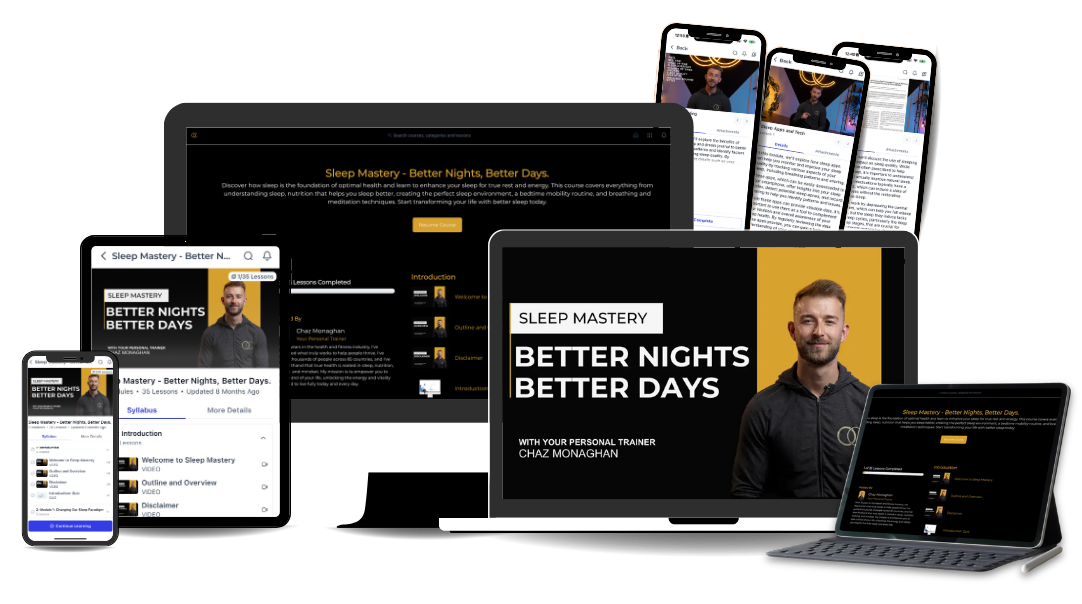
Start with the free habits on this page. If you prefer a structured learning resource, you can also explore OC Sleep Mastery and review its current course details before deciding.
Keep the expectations realistic.
Will one routine fix my sleep?
Sleep can be affected by habits, health, stress and daily circumstances. No routine guarantees a particular result. Begin with something manageable and seek qualified support if difficulties continue.
Can I talk about sleep at my intro?
Yes. Your intro is a conversation about your goals and the support OC offers. It is not a clinical sleep assessment.
Do I need the course to get started?
No. You can begin with the free habits on this page. The course is an optional separate learning resource.